If your customers can't find you, do you really exist online?
A website that nobody finds does nothing. Learn how search changed, how SEO and AEO work together, and how to get found in Google and AI tools.

On this page
Build a great website, open the doors, and wait for the phone to ring.
That plan has a famous cousin. It is often quoted as “if you build it, they will come,” and it comes from a movie about a baseball field in an Iowa cornfield. Great movie. Terrible marketing plan.
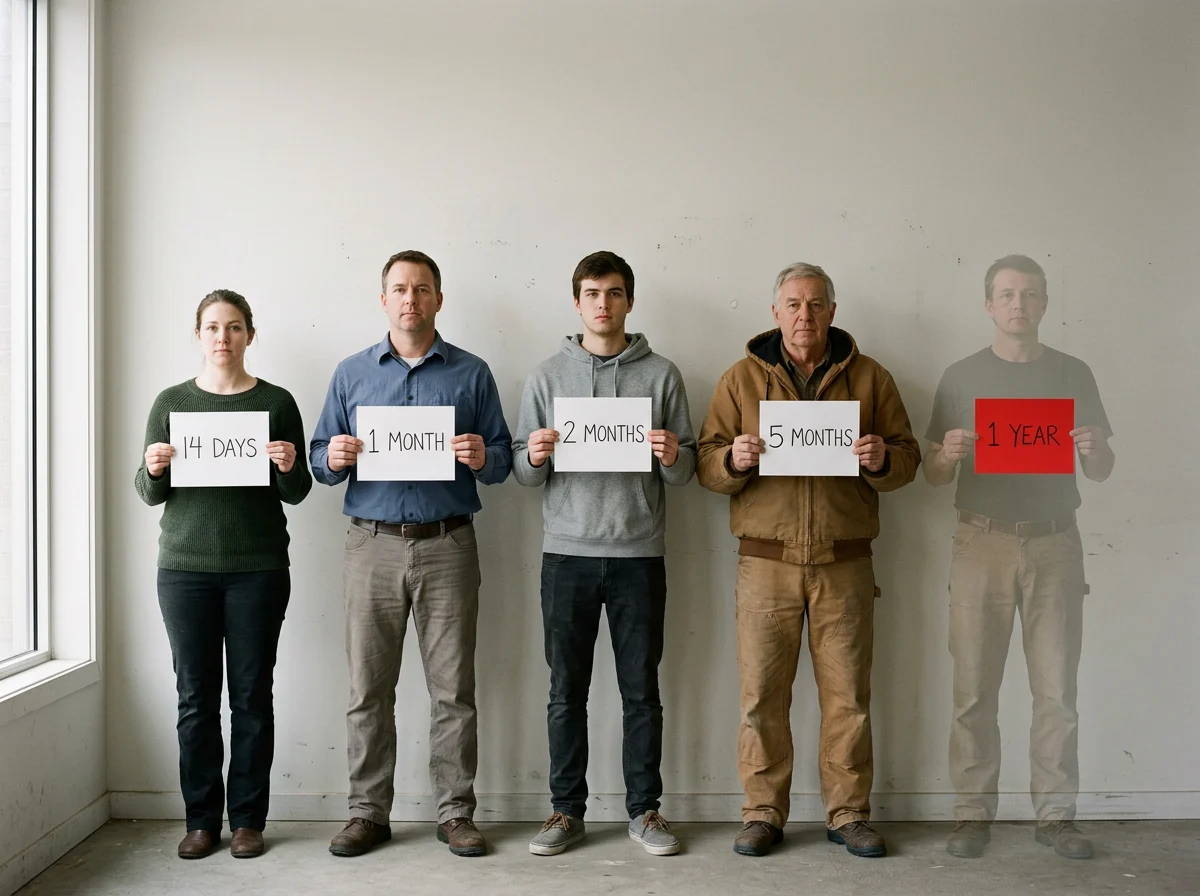
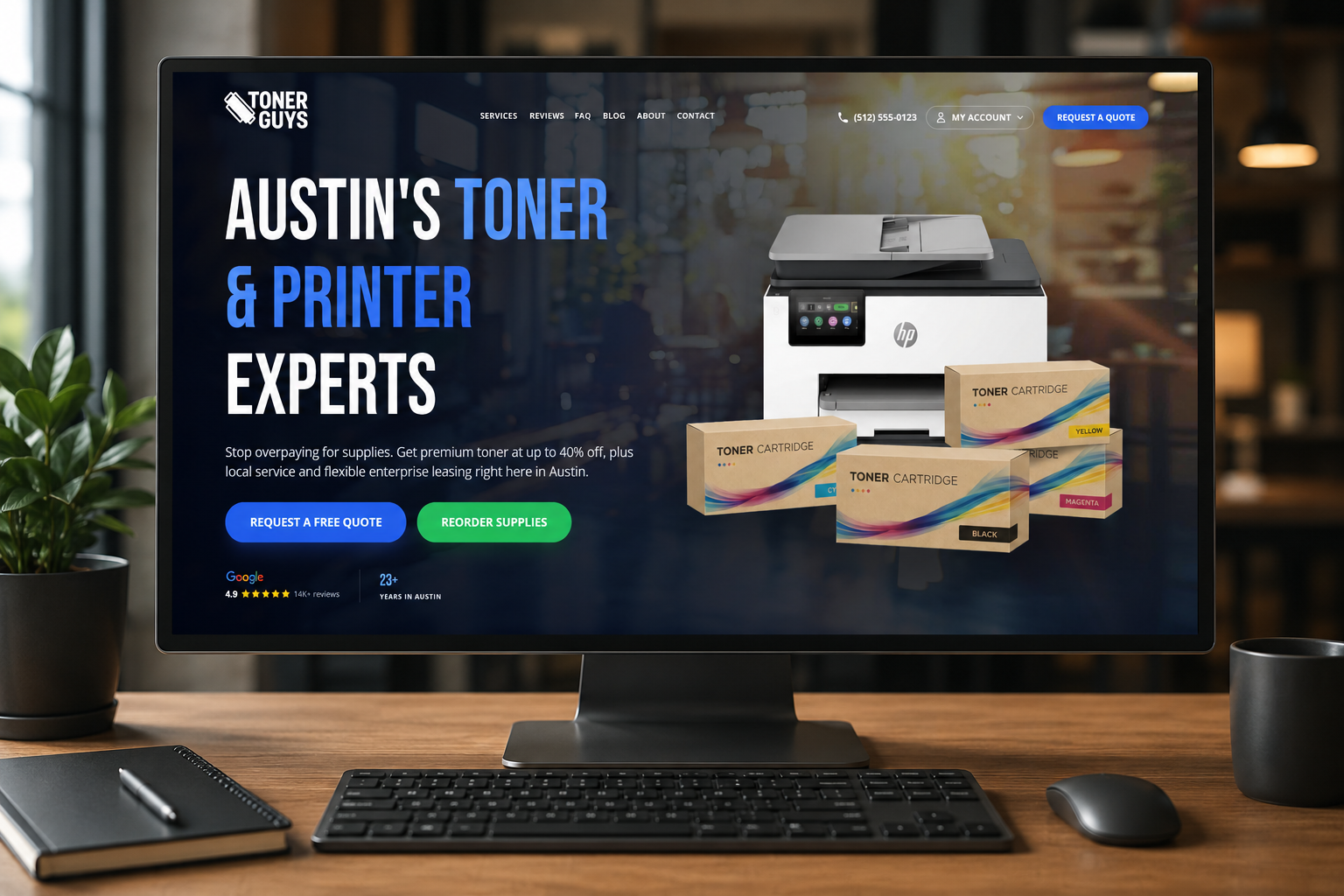
I have watched good businesses put real money into a beautiful site and then wonder why nothing happens. The site is fine. Nobody knows it exists. A website nobody finds is a billboard in the middle of a pasture.
Field of Dreams was a movie, not a website plan
Let me answer the question I hear most. Do you need SEO?
If you want people to find your business through Google, Bing, or an AI tool like ChatGPT, yes. If every customer comes by word of mouth and you never want more, you can skip it. Most owners I talk to want more.
That is the whole case for the importance of SEO, and it fits on a napkin. Your website is a shop. SEO is the road, the sign, and the address on the map. Without those, the nicest shop in town sits empty.
The trouble is that the map keeps changing.
How people used to search, and how it changed
For a long time, search worked like a very fast phone book. You typed two or three words, like “plumber austin,” and got ten blue links. You clicked around and made up your own mind. A website’s job was to be on that list, as high as possible.
Then a few things shifted.
Phones took over. People started searching in a parking lot, a kitchen, or a job site. Search got more local and more urgent. “Near me” became a normal thing to type.
People started asking full questions. We stopped typing keywords and started typing, or just saying out loud, what we actually wanted to know. “How much does it cost to rebrand a restaurant” instead of “restaurant rebrand cost.” Search got better at understanding what you meant, not just the words you used.
Google started answering directly. Featured snippets put a short answer at the top of the page, pulled from a website. Then AI Overviews began writing a summary right on the results page, with a few links underneath. For plenty of questions, a person gets what they need without clicking anything.
AI tools became a place to search. Plenty of people now ask ChatGPT or another assistant the thing they used to ask Google. They get a conversation back, not a list. Sometimes it names a business. Sometimes it does not.
Why did all this happen? Because people want the answer, not a homework assignment. Nobody wakes up hoping to read ten web pages to find one fact. The tools are racing to hand over the answer faster, and that means getting found now has more than one door.
The old door is still open. Standing at it alone is just no longer enough.
SEO basics every site still needs
Search engines and AI tools both draw on the same raw material, which is your website. If the foundation is weak, nothing built on top holds up. Every site needs:
- Pages that say what you do in plain words. If a stranger cannot tell what you sell and where in about five seconds, a search engine will struggle too.
- One topic per page, with a clear title and description. Those two lines are your first impression in the results.
- Headings that make sense. A good page reads like an outline.
- Speed, and a layout that works on a phone.
- Real local information. Address, hours, service area, and a Google Business Profile that is filled in and kept current. Small business sites miss this one all the time.
- Content that answers real questions. The things customers ask you on the phone belong on your site, written the way you would say them.
None of that is magic, and none of it is quick. SEO is work you keep doing, a little at a time. Nobody can promise you page one, and be wary of anyone who does. Good SEO raises your odds and keeps raising them.
AEO: what answer engine optimization is and how it differs from SEO
Now for the new letters.
AEO, or answer engine optimization, is writing and structuring your website so tools that give answers can understand it and use it. Those tools include Google’s AI Overviews, ChatGPT, and other assistants. You will also hear it called AI search optimization. Different name, same idea.
So what is AEO next to SEO? It is the next layer, not a replacement. SEO gets your pages found and ranked in a list. AEO gets your information understood well enough to be used inside an answer. Most of the work overlaps, which is why the AEO SEO question is less “which one” and more “how do they fit together.”
Here is AEO vs SEO side by side:
| SEO | AEO | |
|---|---|---|
| Main goal | Rank pages in a list of results | Get your information used inside an answer |
| Where it shows up | Google and Bing results | AI Overviews, ChatGPT, and other AI tools |
| What the searcher sees | A list of links to choose from | A written answer, sometimes with sources |
| What it rewards | Relevant pages, good structure, trust | Clear answers, plain language, easy-to-pull facts |
| Where it starts | Your website and local listings | The same website, organized to answer questions |
Both start in the same place. If you have a solid SEO foundation, you are most of the way to AEO. If you are weighing SEO vs AEO to pick one, my answer is to do SEO first and layer AEO on top. Skipping the basics to chase the new thing is how people end up with neither.
How to get ChatGPT, Google AI Overviews and other AI tools to find your business
Nobody outside those companies knows exactly how an AI tool picks what to say. Anyone who claims to have the secret is guessing. What we can do is make your business easy to find, easy to understand, and easy to trust. That is how to optimize for AI search without pretending to control it.
Answer the question first. Put a short, direct answer right under a heading, then add the detail. A person gets value from that, and so does a tool trying to summarize your page.
Write the way people ask. Use real customer questions as headings. Add an FAQ where it makes sense and answer like you are talking across the counter.
Be specific about who you are. Name your services, the places you serve, and the customers you work with. Vague pages give an AI nothing to repeat.
Add structured data. It is code behind the page that labels your business name, address, reviews, and FAQ answers so machines do not have to guess. Visitors never see it. Search engines and AI tools can.
Keep your listings consistent. Your site, your Google Business Profile, and your directories should all say the same thing about you.
Get mentioned elsewhere. AI tools learn about businesses from more than your own site. Reviews, local press, and partner sites all help.
Do not block the door. Some sites are set up so crawlers cannot read them, by accident or on purpose. If a tool cannot read your pages, it cannot use them.
So how do you rank in ChatGPT? You do all of the above, keep at it, and watch what happens. There is no button to push, and nobody can honestly promise you a mention. You can stop making yourself hard to find.
What it means that Monster Systems does SEO and AEO in-house
I will be straight about how this used to work here.
When a client needed SEO, we sent it to outside partners. We built the site, and someone else handled the search side. That worked fine, but it left a gap between the people who built the site and the people trying to get it found.
Now we do it ourselves, for our own sites and for our dealer websites. It has changed how we work with our web customers, because search is part of the plan from day one instead of something stapled on after launch.
In practice, we think about the questions your customers ask before we write a page. We build the structure so it reads well to a person and to a machine. We watch how the site gets found and fix what is not working. We use AI tools with a human checking the work. The tools help. Judgment still decides.
A site that is easy to find but forgettable still loses. If you need a site that works as hard as you do, our Dealer Websites are built for printer supply dealers, and SEO is part of that work.
Want new traffic? Let’s talk
If your website is not bringing in the business it should, or you are building one and want it found from day one, reach out.
Tell me what you sell, who you sell it to, and where your customers are. I will tell you plainly what I would fix first. No pressure, no jargon. Start the conversation.
Build the thing, and then build the road to it.
FAQ
Do I need SEO if I already have a website?
Yes, if you want strangers to find it. A website is the destination. SEO is how people get there.
What is the difference between AEO and SEO?
SEO helps your pages rank in a list of results. AEO helps your information get understood and used inside the answers AI tools give. They share a foundation, a clear and well-built website, so most of the work helps both.
How do I rank in ChatGPT?
Nobody can guarantee it, and no one controls what ChatGPT says. What helps is a clear website, direct answers to your customers’ questions, consistent business information across the web, structured data, and mentions from other trusted places.
Is SEO still worth it now that AI answers questions?
Yes. AI tools draw from the same web that search engines do, and plenty of people still use Google every day. The basics of SEO are also the groundwork for AEO.
How long does SEO take?
It builds over months, not days. Anyone who promises overnight results or a guaranteed ranking is selling something you should not buy.
See EasyOrder in action.
Built for independent ink and toner dealers. Personalized ordering, private pricing, one-click reorders. Reorder rates as high as 90%.
EasyOrderEasyOrder ProMonster CRMDealer WebsitesInk & Toner Dealers